Outdoor Finishes · Coatings & upkeep

Prepare, Protect and Recheck Your Materials

Identify the old finish, choose the right new one, then put a recheck in the calendar.

Project · Finishing a reclaimed board

Prepare and Oil a Reclaimed Pine Board

Material
Pine shelf or slat
Size
~80 × 15 × 2 cm
Tools
Scraper, sanding block, brush, rags
Finish
Exterior wood oil
Coats
2–3, end grain ×2
Time
2–3 days incl. drying
  1. Identify any existing coating. If it is painted and of unknown age, test it with a lead test kit before you sand.
  2. Remove dirt with warm water and a little washing-up liquid; let the board dry indoors for several days.
  3. Pull nails and staples; fill deep holes with exterior wood filler.
  4. Hand-sand with 120 grit outdoors, wearing a dust mask, and brush off the dust.

Know What You Are Painting Over

Reclaimed material is rarely blank. Doors, shutters and floorboards often carry many layers of paint, and in older buildings some of those layers may contain lead. Lead paint was widely used in British homes until the 1960s and some was still sold for specialist uses until 1992. The UK Health and Safety Executive advises avoiding dry sanding, power sanding and burning off old paint that may contain lead. If a test is positive, either keep the existing paint sealed under a fresh coat (if it is sound), use wet-scraping methods, or choose a different piece.

Look for other histories too: oil stains on pallets, preservative smells on garden timber, varnish on old furniture. Exterior oils will not soak into varnished surfaces, and paint will not grip a greasy one. A quick water-drop test helps: if water beads on bare-looking wood, there is a finish or contamination present.

Choosing the Finish for the Job

FinishBest forLookUpkeep
Exterior wood oil (linseed or tung-based)Crates, slats, wall panelsNatural, matte, shows grainRe-oil every 6–12 months
Exterior water-based paintShutters, screens, backing boardsOpaque colourTouch up chips each spring
Exterior / yacht varnishSmall decorative piecesGloss, amber toneFails by peeling; sand and recoat when it cracks
Rust converter + metal primer + topcoatTins, buckets, metal framesColoured, protectiveSpot-treat rust bloom promptly
Leave bareGalvanised steel, terracotta, cedarWeathers to grey or patinaCheck soundness only

For anything holding edible plants, keep coatings on the outside and use a liner inside. Product labels state whether a finish is suitable near plants; when they do not say, assume it is not.

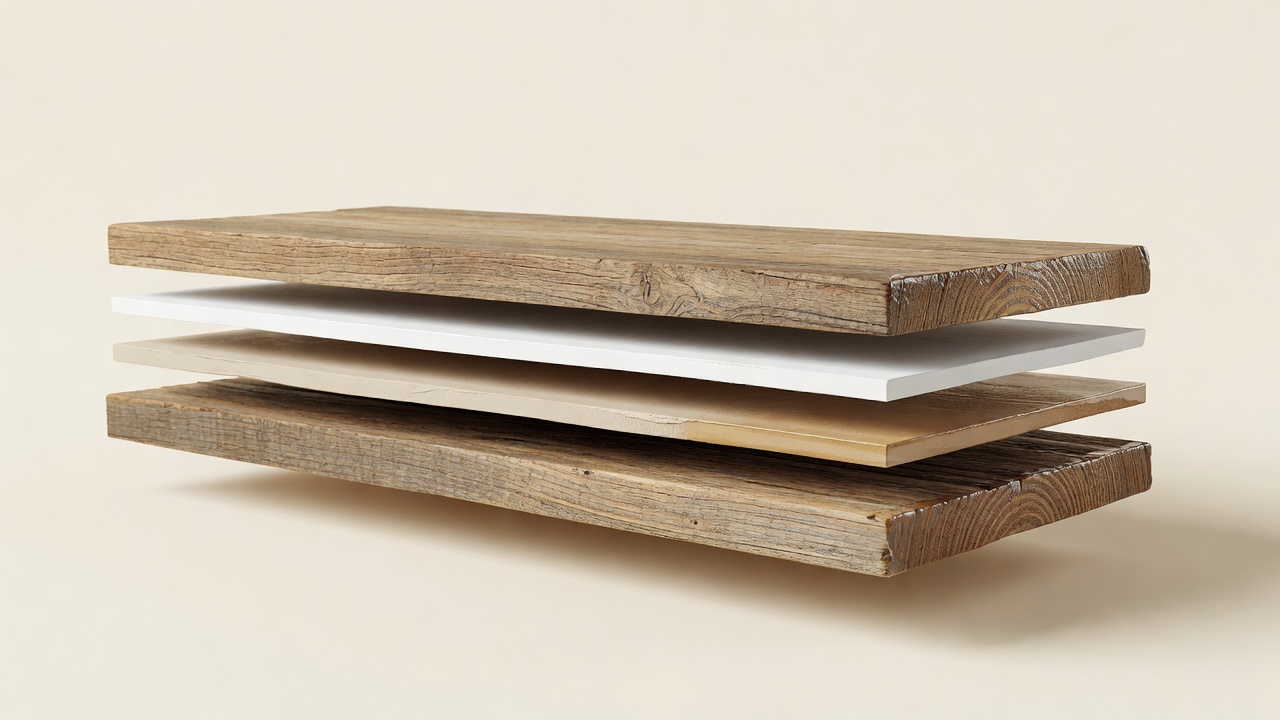
Exploded View: Finish Layers

  1. Substrate — reclaimed timber, dry and tested
  2. Cleaned and sanded surface — 120 grit
  3. Filler — exterior grade, deep holes only
  4. Primer or first oil coat — thin
  5. Topcoats — two thin beat one thick
  6. End grain — double sealed
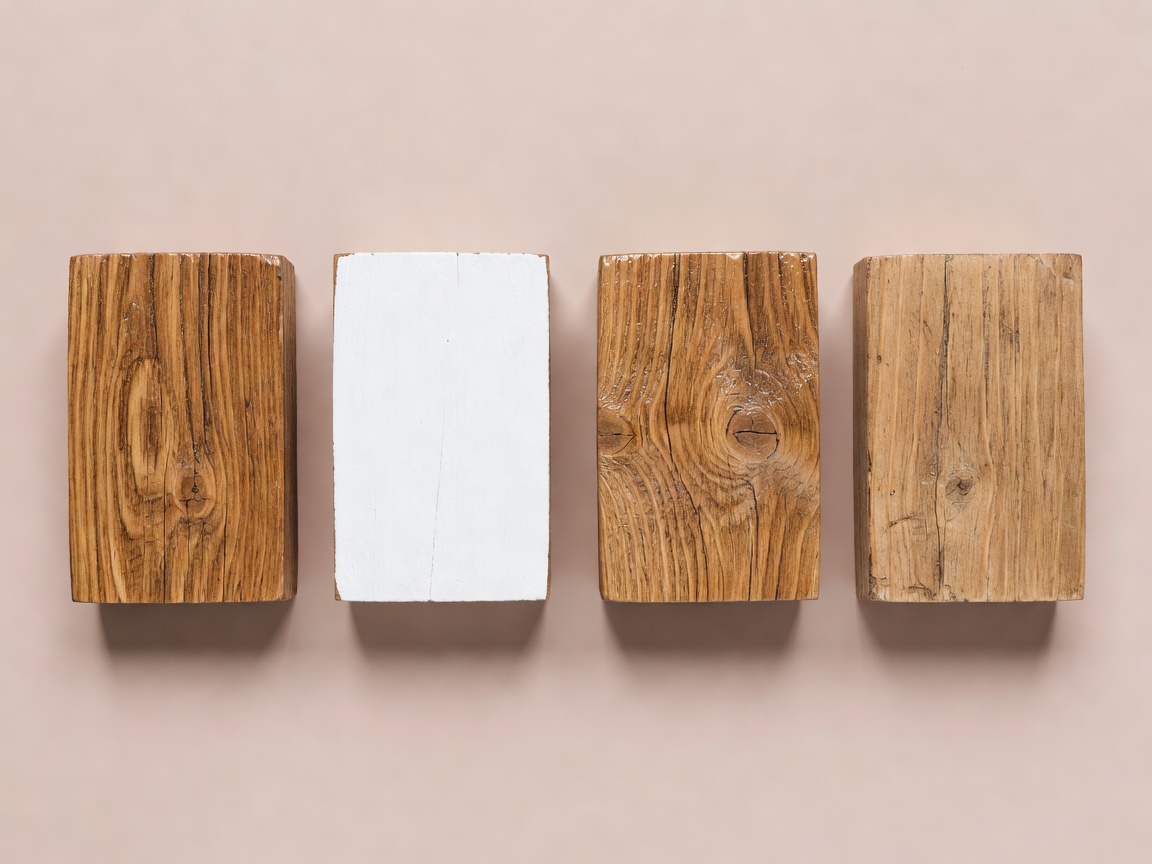
Soft-lit 3D render of four reclaimed timber sample blocks finished with oil, white paint, varnish and left bare on a blush background
Conceptual render · finish sample blocks

The Recheck Routine

Finishes wear unevenly. The top edge of a screen gets the sun; the base of a planter sits in wet compost; the back of a wall panel never dries in winter. A recheck takes ten minutes in spring and autumn and catches problems while they are cosmetic.

Spring check
  • Re-oil sun-faded timber; touch up chipped paint
  • Tighten screws, hinges and cleat fixings
  • Clear drainage holes; refresh top compost
Autumn check
  • Spot-treat rust bloom on metal before winter
  • Lift planters onto feet so bases drain
  • Move non-frost-resistant ceramics under cover
Retire it if…
  • A screwdriver sinks into timber at a joint
  • Rust has gone right through a base or seam
  • A screen or panel rocks after tightening
  • Any piece could fall from the balcony

Lightweight décor vs structural questions. Finishing keeps décor attractive and slows decay; it does not make a material strong enough for jobs it was never built for. Railings, balcony floors, drainage outlets and walls belong to the building — if you see cracks, rust staining from concrete or water pooling, report it to building management rather than painting over it.